Outdoor lighting, specified against the standard
Stadium and high mast, high bay, flood, street, tunnel and solar lighting, supplied against a lighting requirement rather than a wattage. Six lines and fourteen builds, from the class a road needs to the autonomy a site without mains can live with.
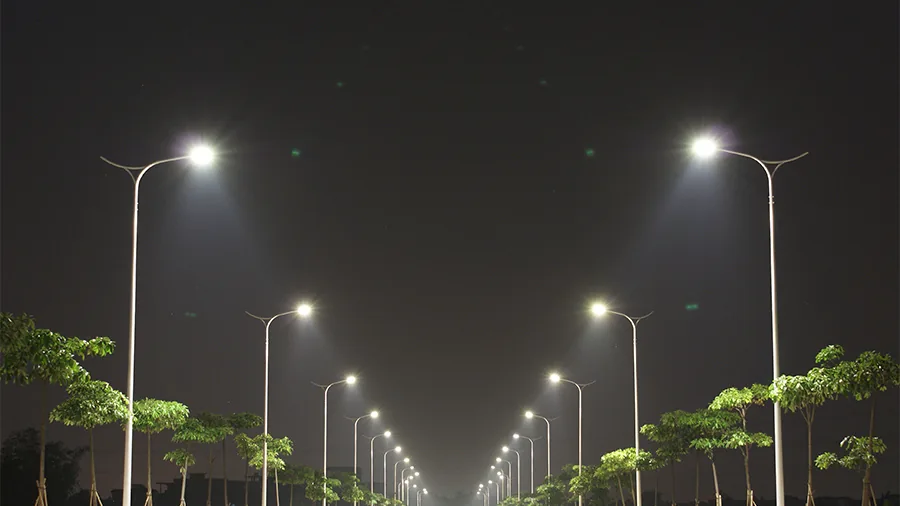
Six lines, fourteen builds
Every line is a different way of answering the same question: what has to be seen, from where, against which standard. The builds under each line take one mount or one zone.
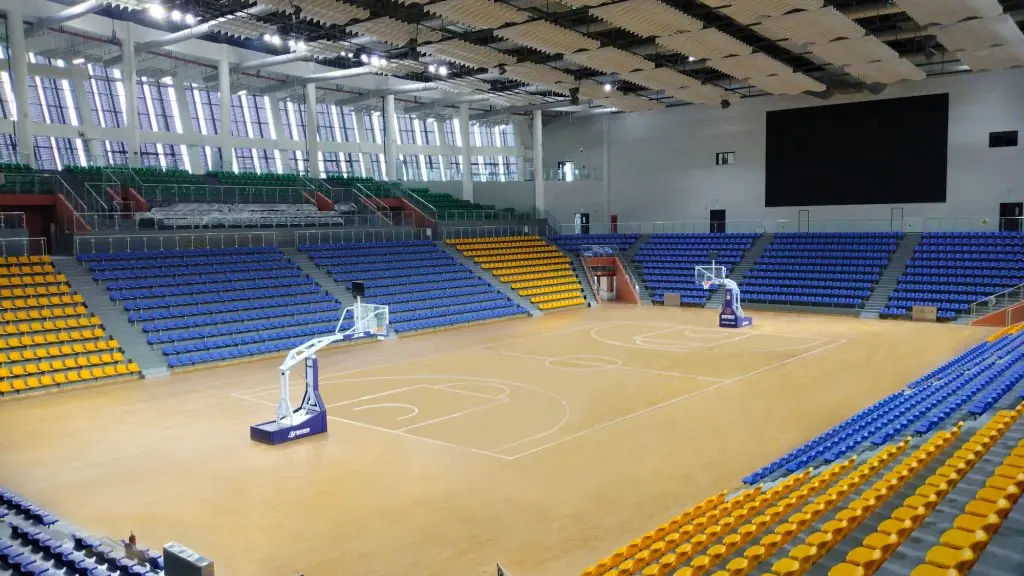
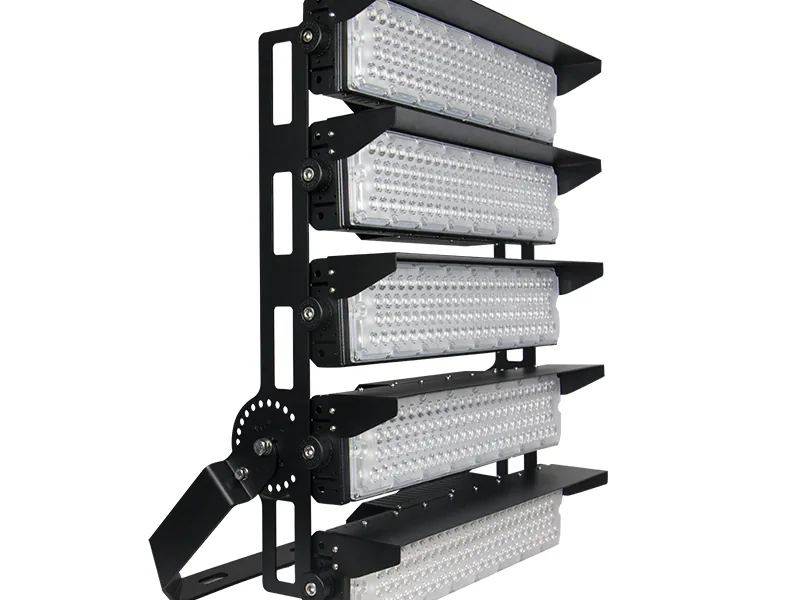 Sports and stadiumStadium lights
High mast, modular frames and club grounds, designed from the class and the mount.
Mount and aim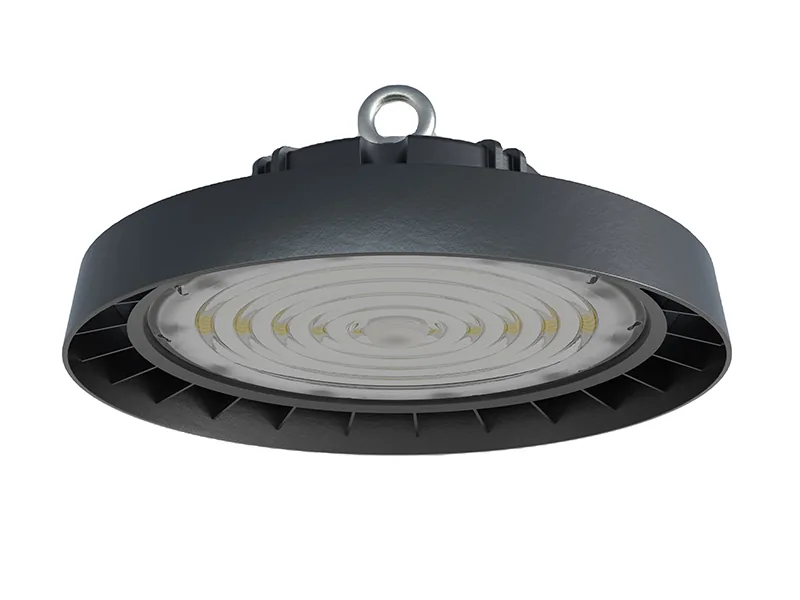 Industrial interiorsHigh bay lights
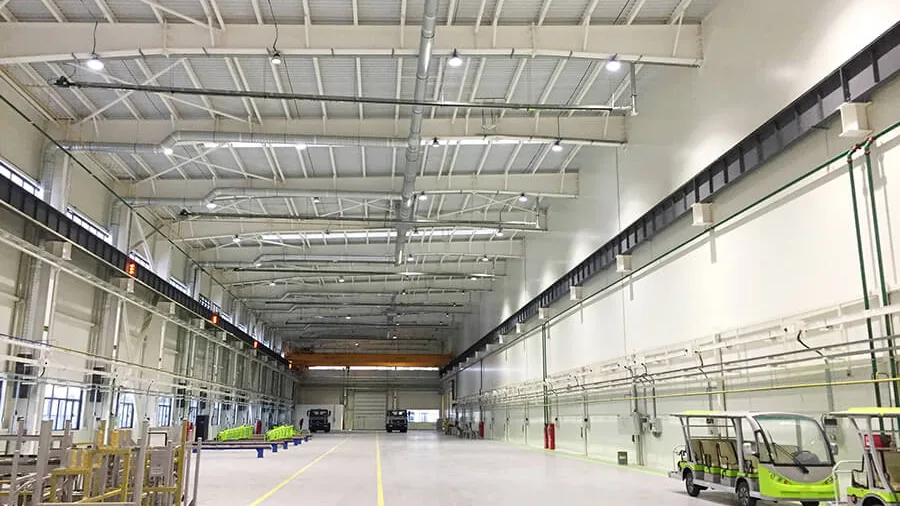
Warehouse aisles and factory halls, chosen by mounting height and by what sits under it.
Height and optic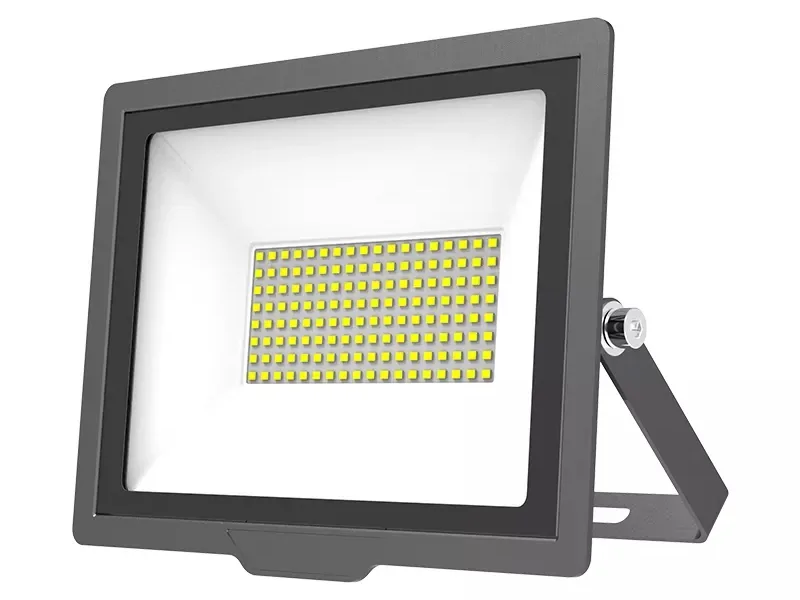 Aimed exteriorFlood lights
Facades, signage and open areas, with the optic matched to the surface.
Surface and optic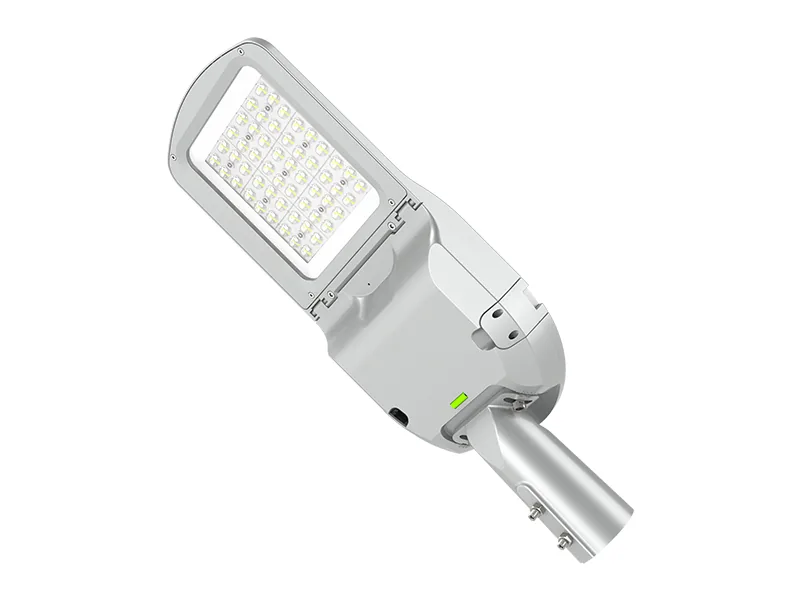 Road and pathStreet lights
Municipal roads and park paths, specified by road class rather than by wattage.
Class and spacing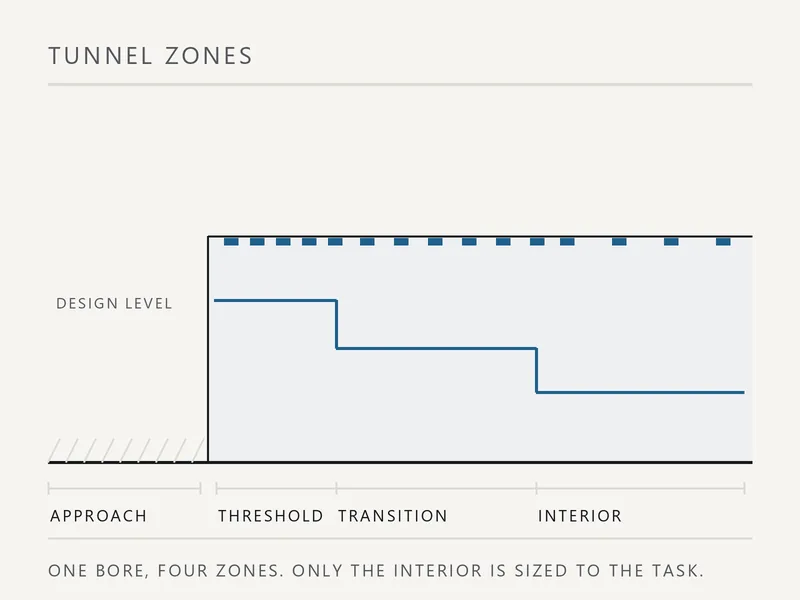 Under somethingTunnel lights
Threshold, transition and interior zones, designed against the approach luminance.
Zone and curve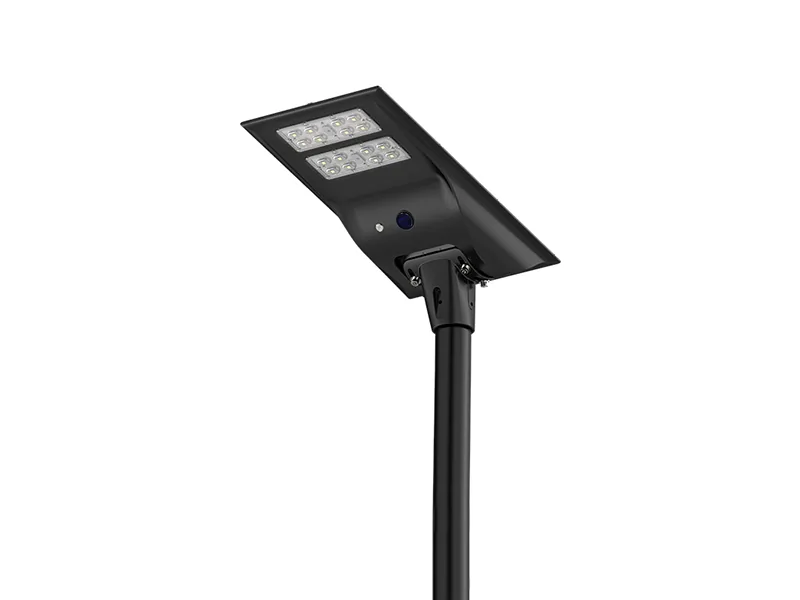 Off gridSolar lights
Roads and yards with no mains, sized on autonomy and the worst month of the year.
Budget and autonomyWhat a specification actually contains
A buyer comparing quotations is usually comparing four documents. The fixture is the smallest part of the difference.
| Document | What it settles | Who signs it off |
|---|---|---|
| Lighting calculation | The level, the uniformity and the maintenance factor | Designer, client |
| Photometric file | The distribution of the exact model being supplied | Designer |
| Aiming or layout drawing | Where each unit sits and what it points at | Installer |
| Data and certificate file | The model, the market and the scope covered | Authority |
This site publishes the method and the standards those documents are written against. It does not publish a wattage, because a wattage without the calculation behind it is a number looking for a project.
Two drawings that explain the range
One is how a scheme is put together, the other is how a retrofit is justified. Both are method, and neither needs a lamp figure to be useful.

What people actually buy
A starting point from the projects quoted here. The standard and the mount decide the rest.
| Where it is used | Line and build | Why | What to check |
|---|---|---|---|
| Stadium or show court | Stadium, high mast | Aimed down from above the roof line, spill stays inside | Class, mast positions, access |
| Club pitch or training ground | Stadium, modular | Modules can be re-aimed and extended | Frame wind load, aiming plan |
| Racked warehouse | High bay, warehouse | Aisle faces and floor from one row | Aisle width, racking height |
| Production hall | High bay, factory | Task level at the bench, lower level around it | Task level, rendering, zones |
| Building or monument | Flood, facade | A wash or a grazing, chosen from the material | Setback, up light limit |
| Billboard or sign | Flood, advertising | A flat field across a rectangle | Throw, aim points, spill |
| Yard or car park | Flood, area | A wide field with a defined edge | Pole plan, boundary |
| Municipal road | Street, municipal | Designed to a class in a calculation | Class, maintenance factor |
| Footway or cycle path | Street, park path | Even at walking height, low glare | Spacing to height |
| Road tunnel | Tunnel, entrance and interior | Two zones, one control curve | Approach luminance, closures |
| Road with no mains | Solar, solar street | Autonomy through the worst week | Design month, autonomy days |
The four decisions that come before the fixture
Every line on this site is a variant of these four.
A road has a class, a pitch has a class, a working plane has a level. That requirement is the specification, and every fixture decision follows from it.
Decides the levelA pole, a mast, a frame or a roof edge sets the aiming angle, the access and the spill. It is usually fixed before the lighting designer is called.
Decides the aimingGlare is a property of the installation, not of the fixture. The same unit aimed two ways is comfortable in one position and a complaint in the other.
Decides the opticWhether a driver or a module can be replaced in the field, from the equipment the owner already has, decides the fifteen year cost more than the unit price.
Decides the housingFrom brief to first shipment
Five steps. One luminaire and a road scheme follow the same sequence.
- 01The space and the requirement
What is being lit, to which standard or class, and who will check it.
- 02The mount
Pole, mast, frame, wall or roof edge. The mount is the aiming angle and the access.
- 03The calculation
Level, uniformity, glare, at the maintenance factor the client specifies.
- 04The sample and the documents
A unit to test on site, with the photometric file and the data sheet for the model.
- 05Production and spares
The order, plus the drivers, gaskets and optics that keep the scheme at its level.
What is published, what is quoted
A page that answers every number is usually inventing some of them.
| Item | On this site | From us |
|---|---|---|
| Light levels and uniformity | The standard or class that sets them | Calculation for the actual layout |
| Photometry | How the optics differ and when to use each | IES file per model and optic |
| Product data | What the sheet has to state | Current data sheet, revision dated |
| Price | Not published | Quoted per build, quantity and destination |
| Plant size, headcount, capacity | Not published and not claimed | Audit pack on request |
Four answers before the email
Why is there no wattage on these pages?
Because a wattage is the last variable in a lighting design, not the first. The level the space needs, the mounting height and the distribution decide the fixture, and the same space can be lit to the same requirement by different combinations. The build pages state what the specification sheet has to contain instead.
Which standard decides a road scheme?
The road lighting standard the authority uses, normally EN 13201 in Europe, with the class set by the road type, the traffic and the conflict areas. A sports scheme is normally EN 12193. A tunnel is designed against the approach luminance, usually following the CIE method.
Can you supply a lighting calculation?
Yes, for the layout you provide: pole positions, mounting heights and the surface or carriageway dimensions. The calculation is what a tender is evaluated on, and it is the document that makes a quotation comparable with another one.
Are the products certified for my market?
Certification is model and market specific, so it is confirmed against the model being supplied rather than claimed for a whole range. Ask for the file, its scope and its expiry date, and check that the model on it is the model on the order.
Start with the space and the standard.
What is being lit, to which requirement, mounted where, and what power is available is enough. The reply is a build and a specification sheet.